 >
>


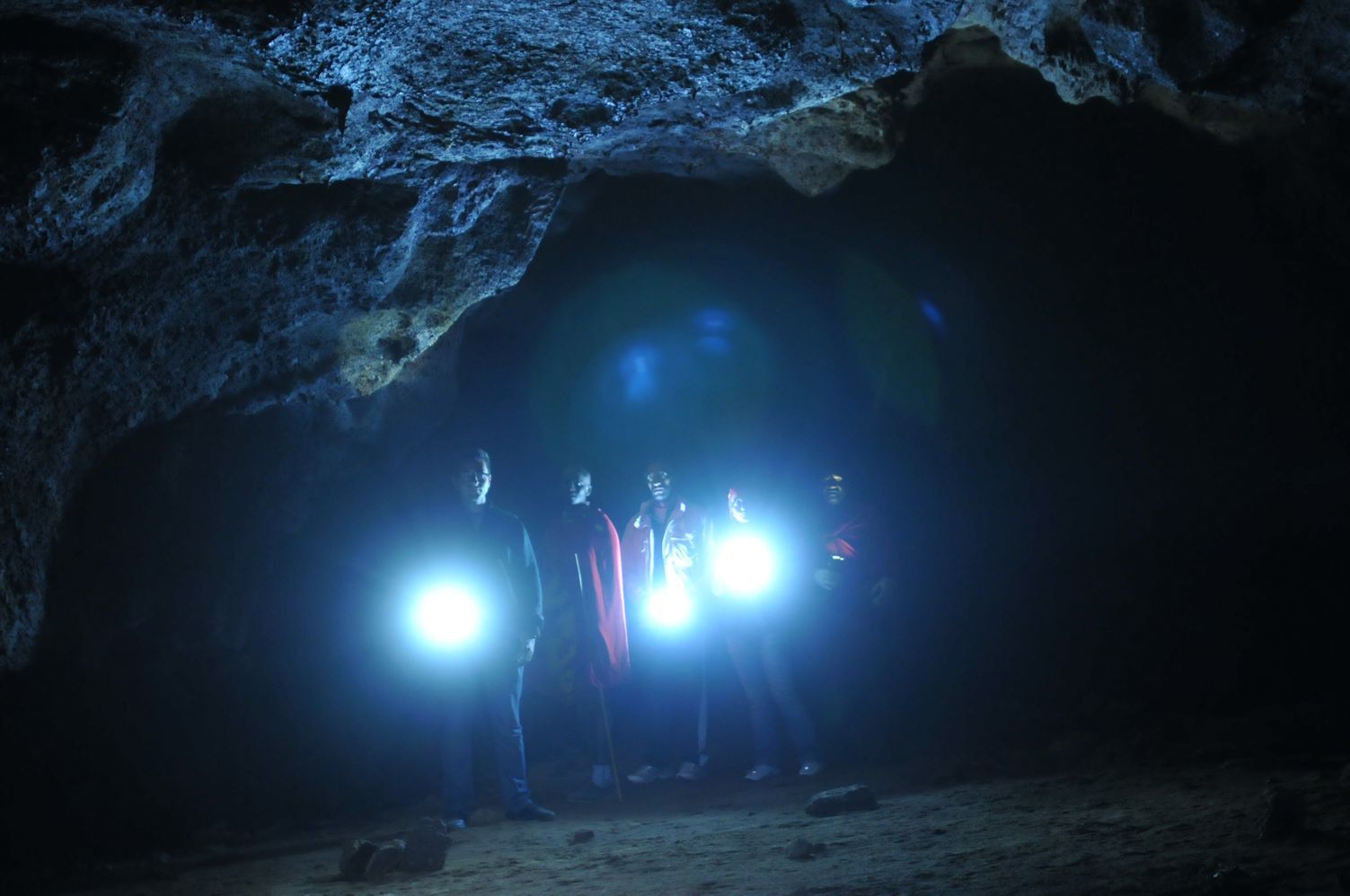
Photo credit: Peter Chonka
Hello everyone! This post is about our caving at Mt. Susva and famous "Baboon Parliament".
Mt. Suswa is one of the best day trip from Nairobi (50 km, about 2 hour drive). It is one of the most spectacular extinct volcano of the Rift Valley as it comprises a 12 km across double crater system, a vast network of obsidian caves on its slopes and a variety of wild animals and plants.
Mt. Suswa is a little known but massive double cratered volcano which is located very close to Mt. Longonot. In my previous posts I have already told you about our trip to Mt. Longonot.

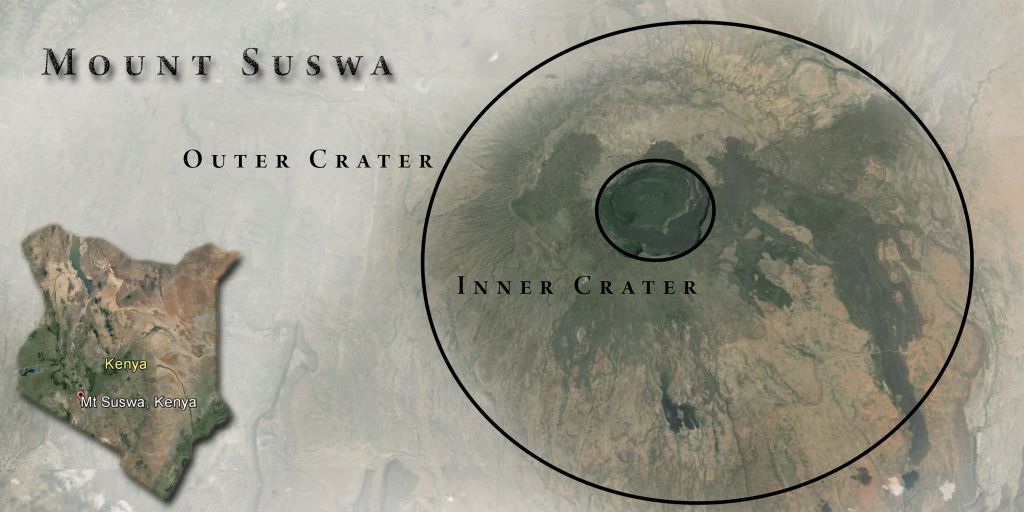

Photo credit: Smithsonian Institution Global Volcanism Program
Among potential visitor attractions of Mt. Suswa are the extensive network of accessible lava caves; all are easy to access, none are too long or complex and no special gear or knowledge is required to explore these systems. Many will find interesting ‘crater within a crater’ with a central island of pristine tropical forest of immeasurable biodiversity and ecological interests.
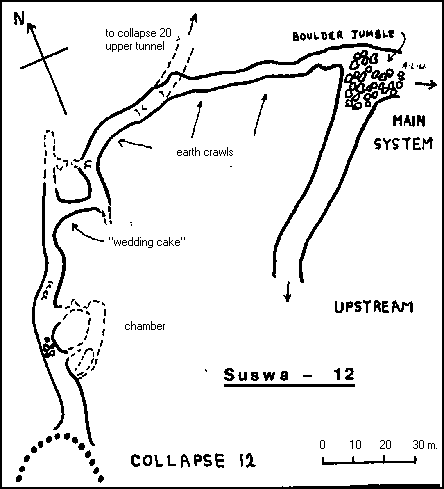
There are over 35 caves located on the edge of the outer crater and they all plunge into the ground.
While not that far from Nairobi, Suswa is not exactly easy to get to. It can be reached only with a 4WD.
Thank to its inaccessibility we were the only visitors in the entire area, so it was just us caving at Mt. Suswa that day.
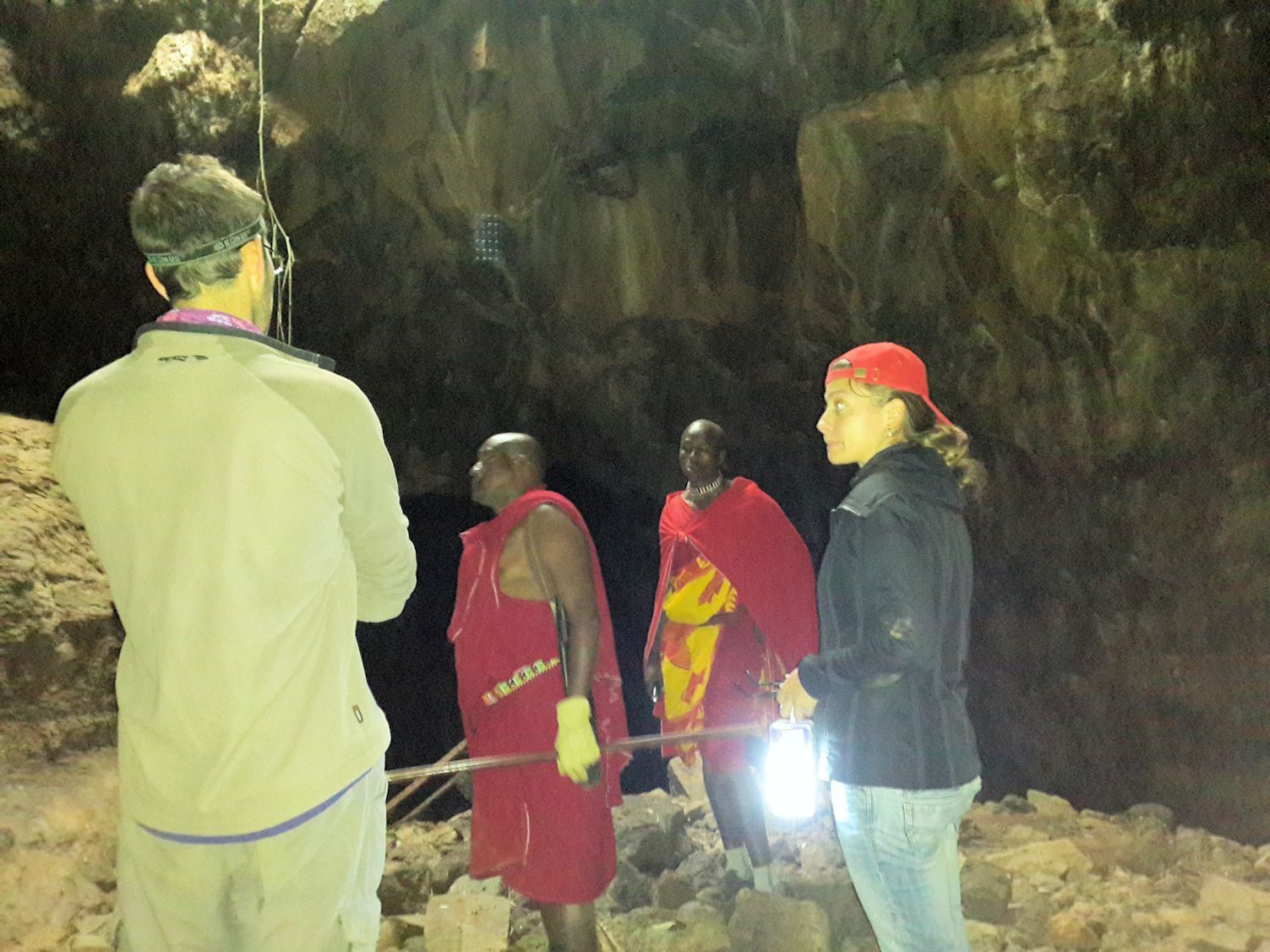
We hired a couple of local Maasai to guide us down into the caverns, which were full of bats, lava remnants and stalactites.

Maasai explaining us security rules before caving


On our way to the caves we enjoyed seeing tree roots descending from above.
Our guides showed us so called "Baboon Pairlament". They told us that every evening baboon troops come back to the caves, seeking refuge from predators and creating two-way traffic with the departing bats. Often, when peering into one particular cave opening in the early evening, the troop’s leader can be found perched on rocks high up, seemingly addressing the rest of the baboons. The local Maasai have termed this spectacle ‘The Baboon Parliament’, and it was featured in a famous BBC documentary.


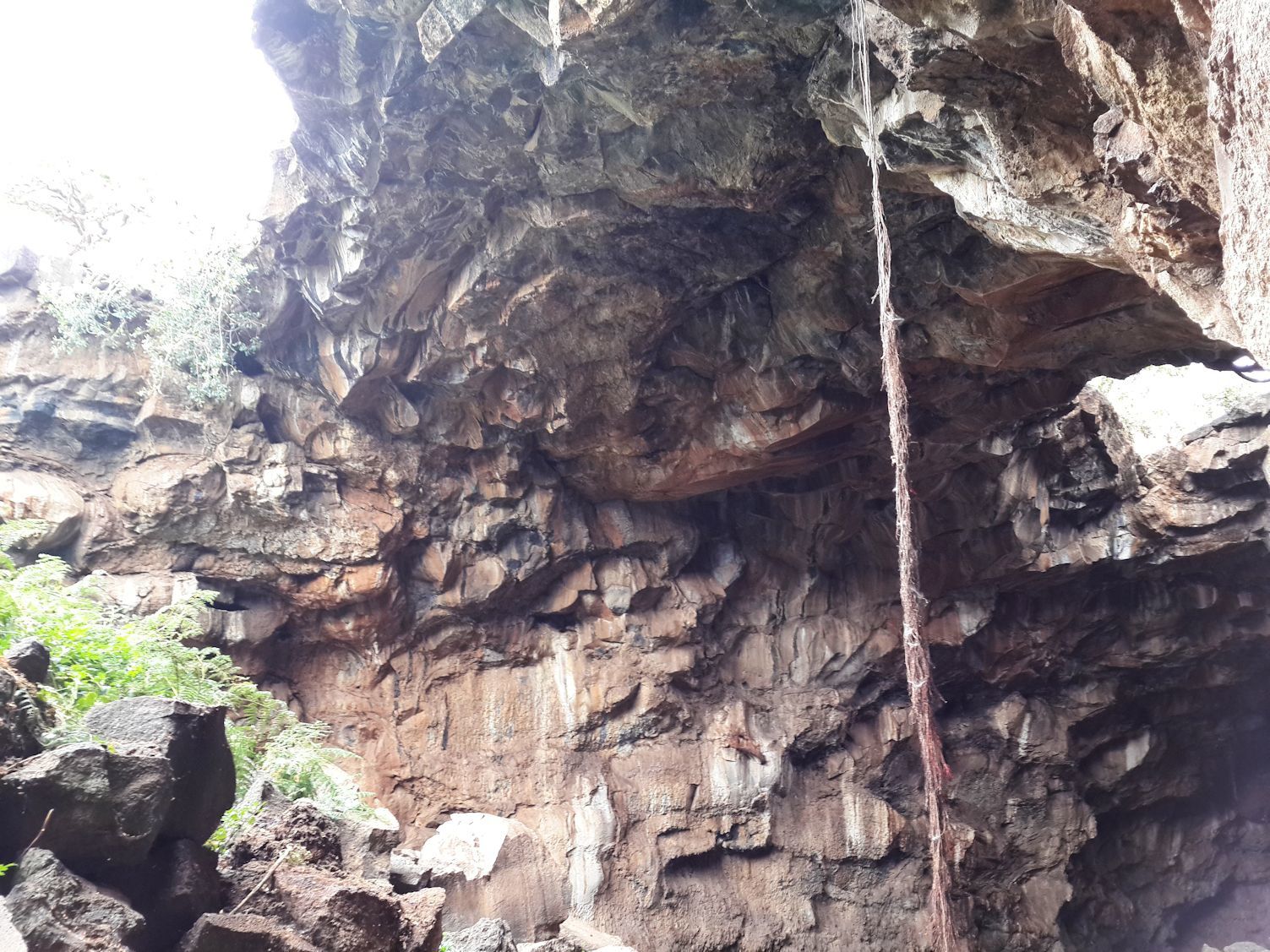

Tree roots
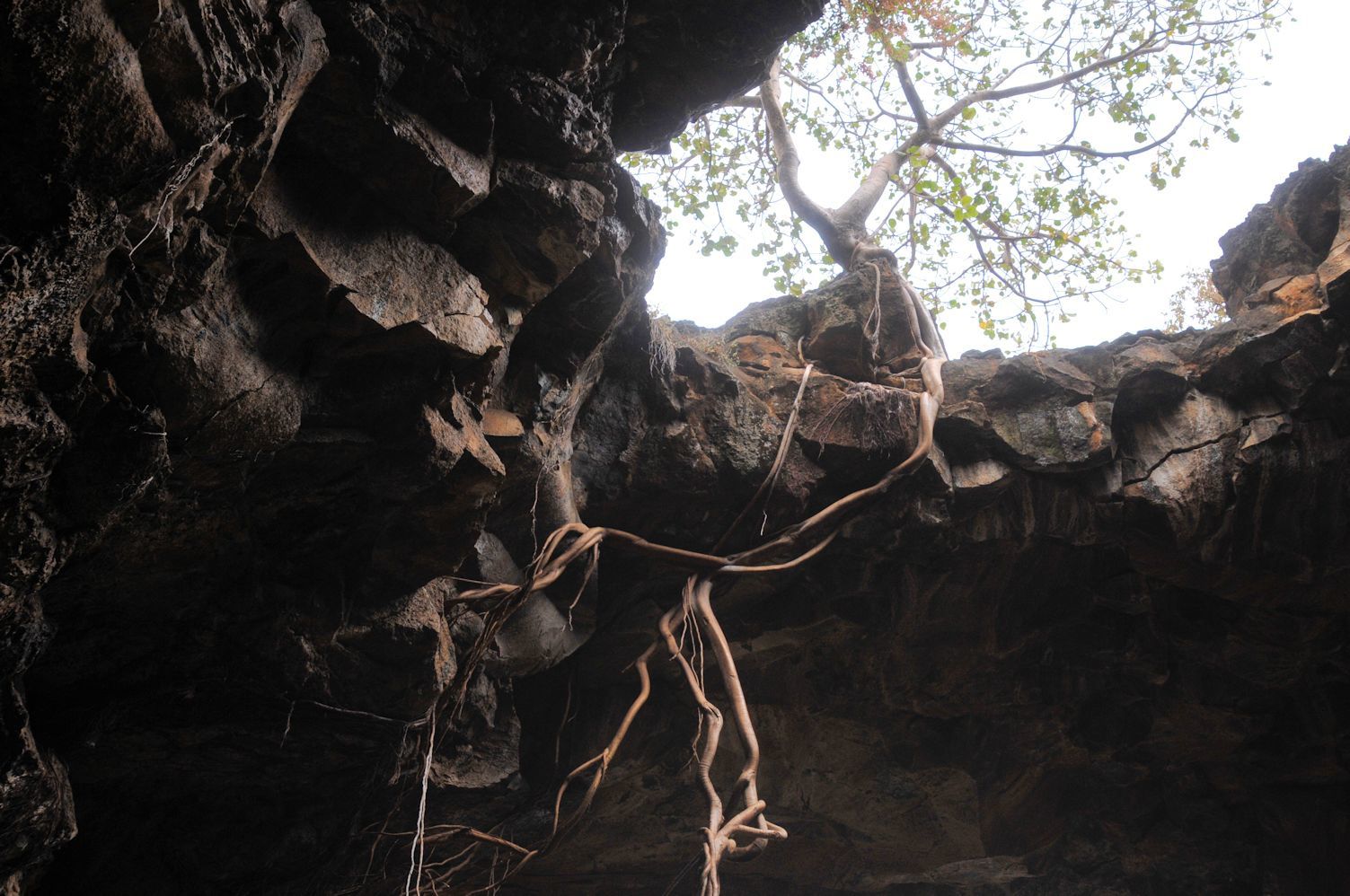
Photo credit: Peter Chonka

Photo credit: Peter Chonka
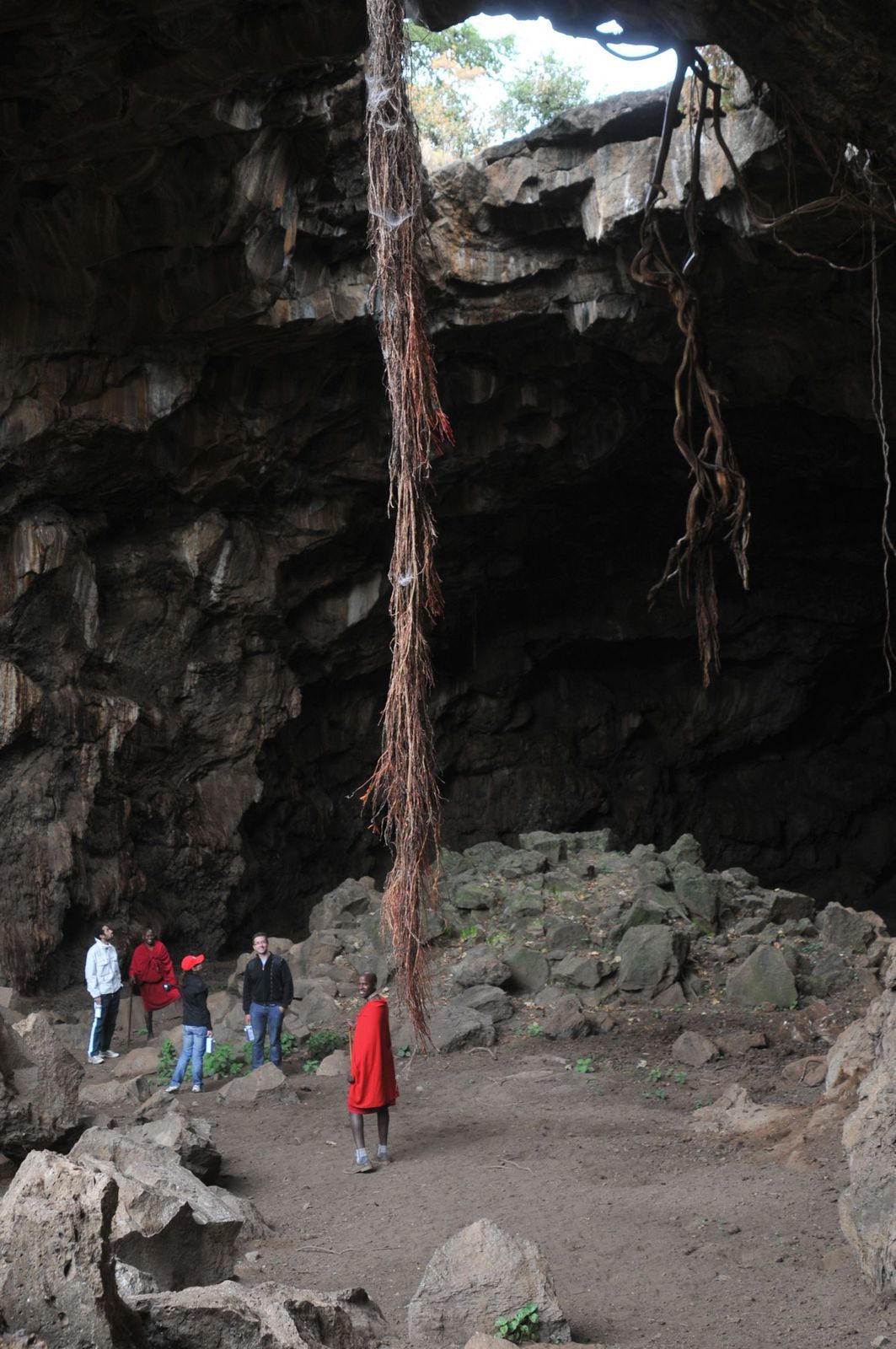
Photo credit: Peter Chonka


Caving may be not appropriate for people with arachnophobia
Being a volcanic mountain, most of the caves comprising of lava tube systems were formed during the recent volcanic activities.
Some walls have a bizarre texture like stretched dough from the retreating lava.

Photo credit: Peter Chonka


The lava tubes must have been formed when hot lava flowed down the slopes with the outer part cooling and solidifying while the inner lava remaining hot and continued to flow leaving behind a network of tubes.


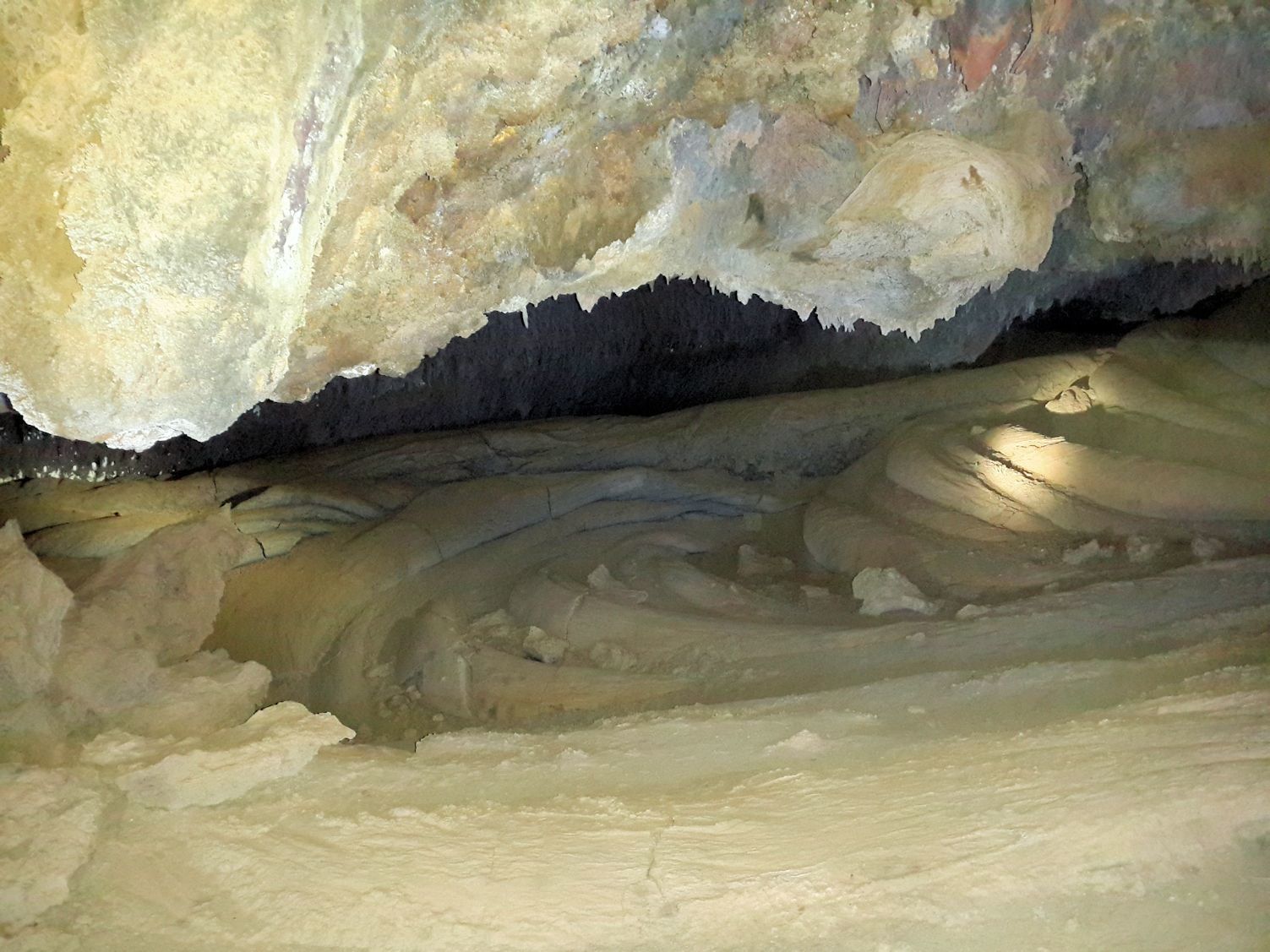


Photo credit: Peter Chonka
This lava tube cave system is considered to be the world’s most complex braided system of lava tubes, with abundant glittering stalactites and stalagmites.
Many of these formations are quite fragile and great care must be taken not to touch them.


You will see many unusual features including lava stalactites.
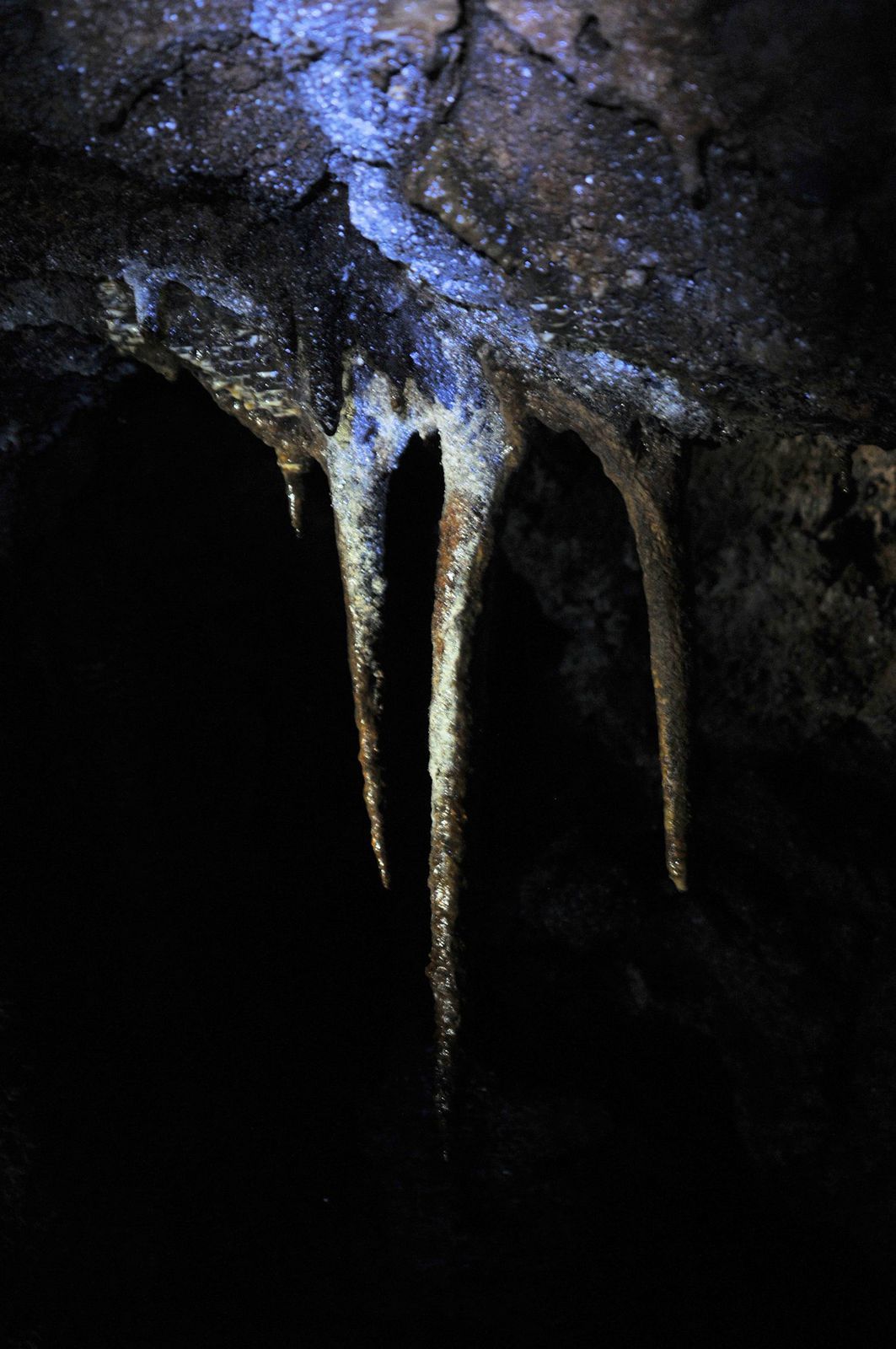
Photo credit: Peter Chonka

These rare volcanic lava caves are home to large populations of bats that are believed to travel up to 30km in search of food at night before retreating to the caves in the morning. In the day, these bat colonies can be seen hanging from the roofs of the caves.
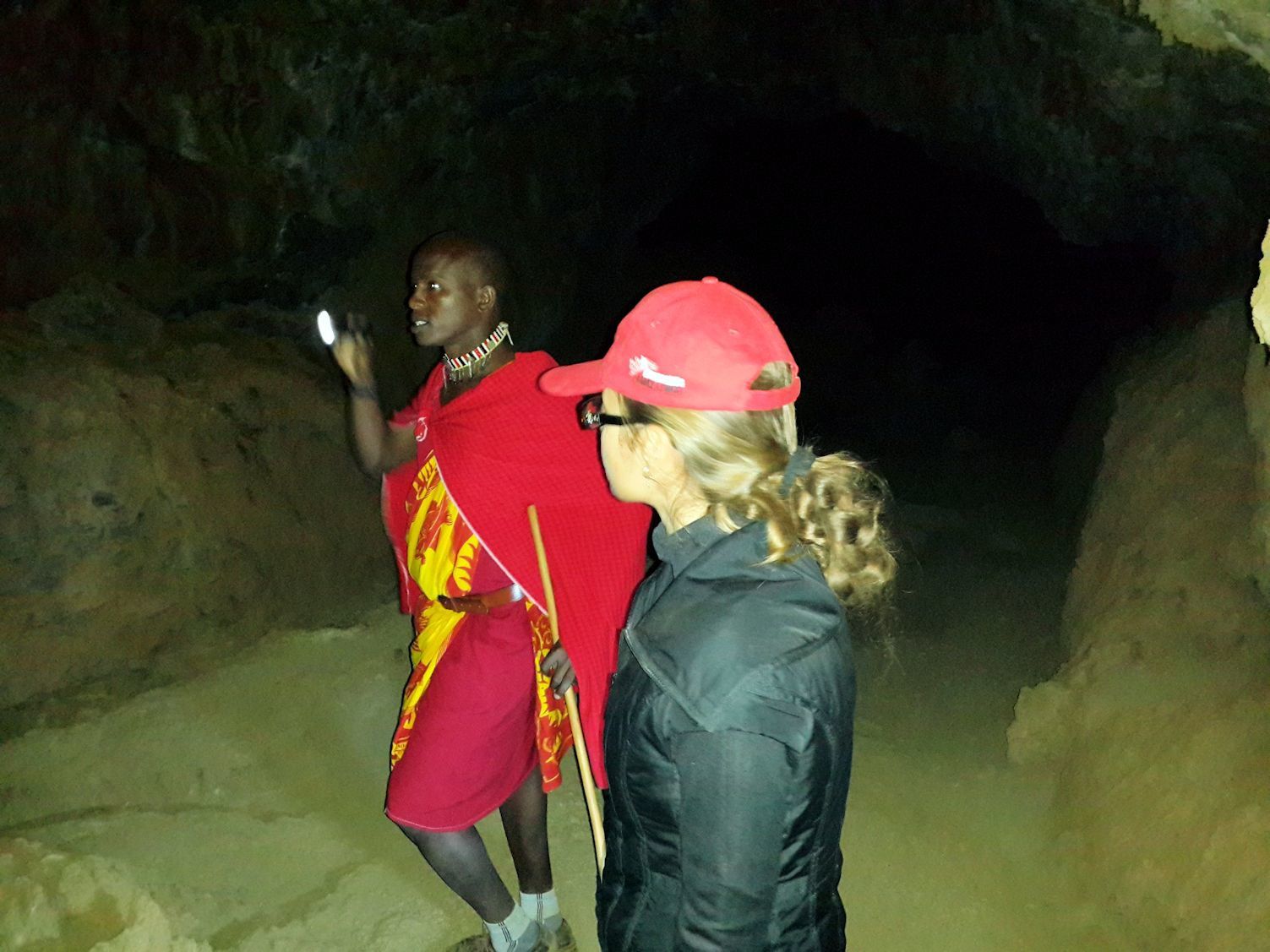
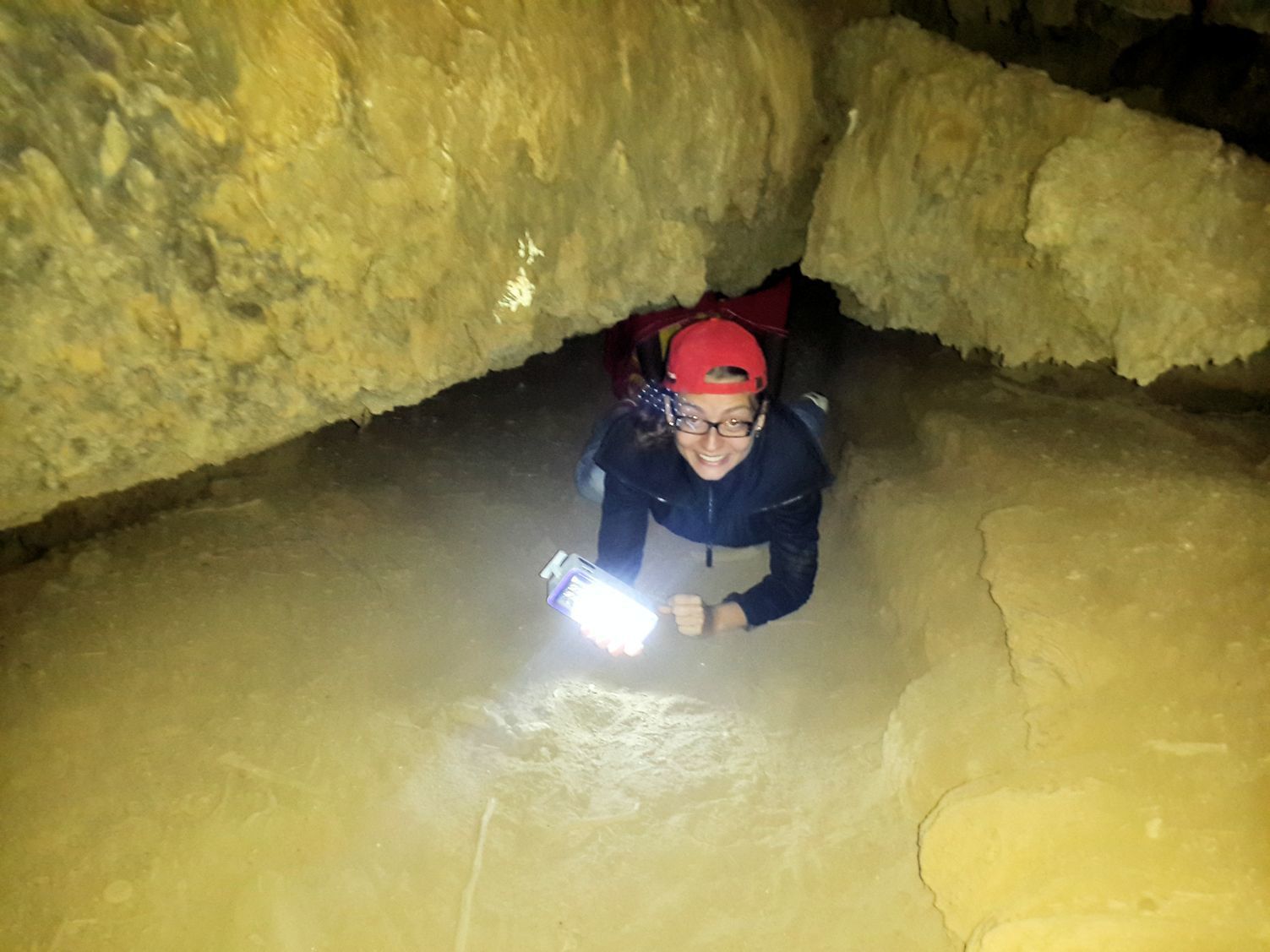
Sometimes we had to crawl
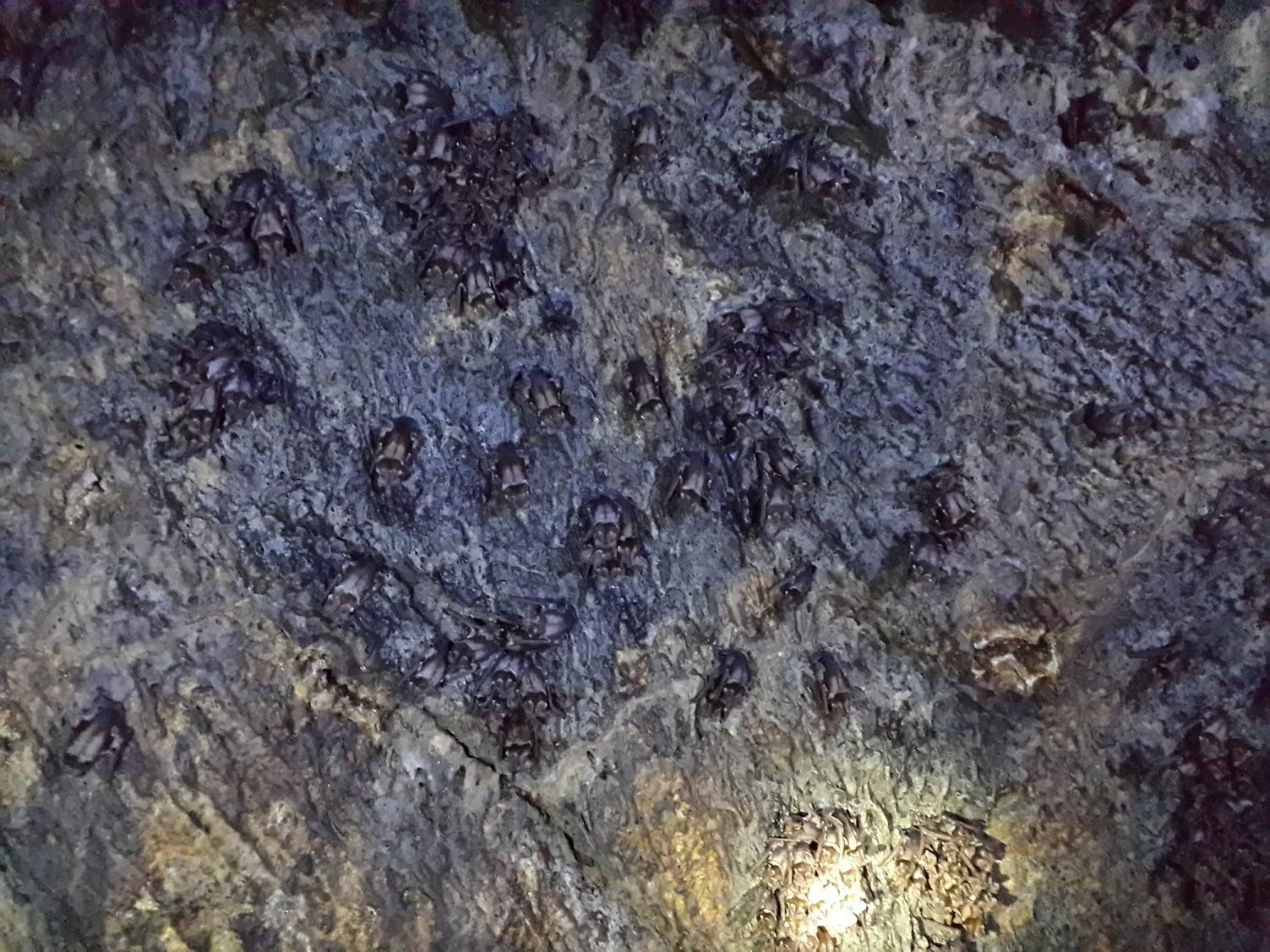
Lots of bats on the roof
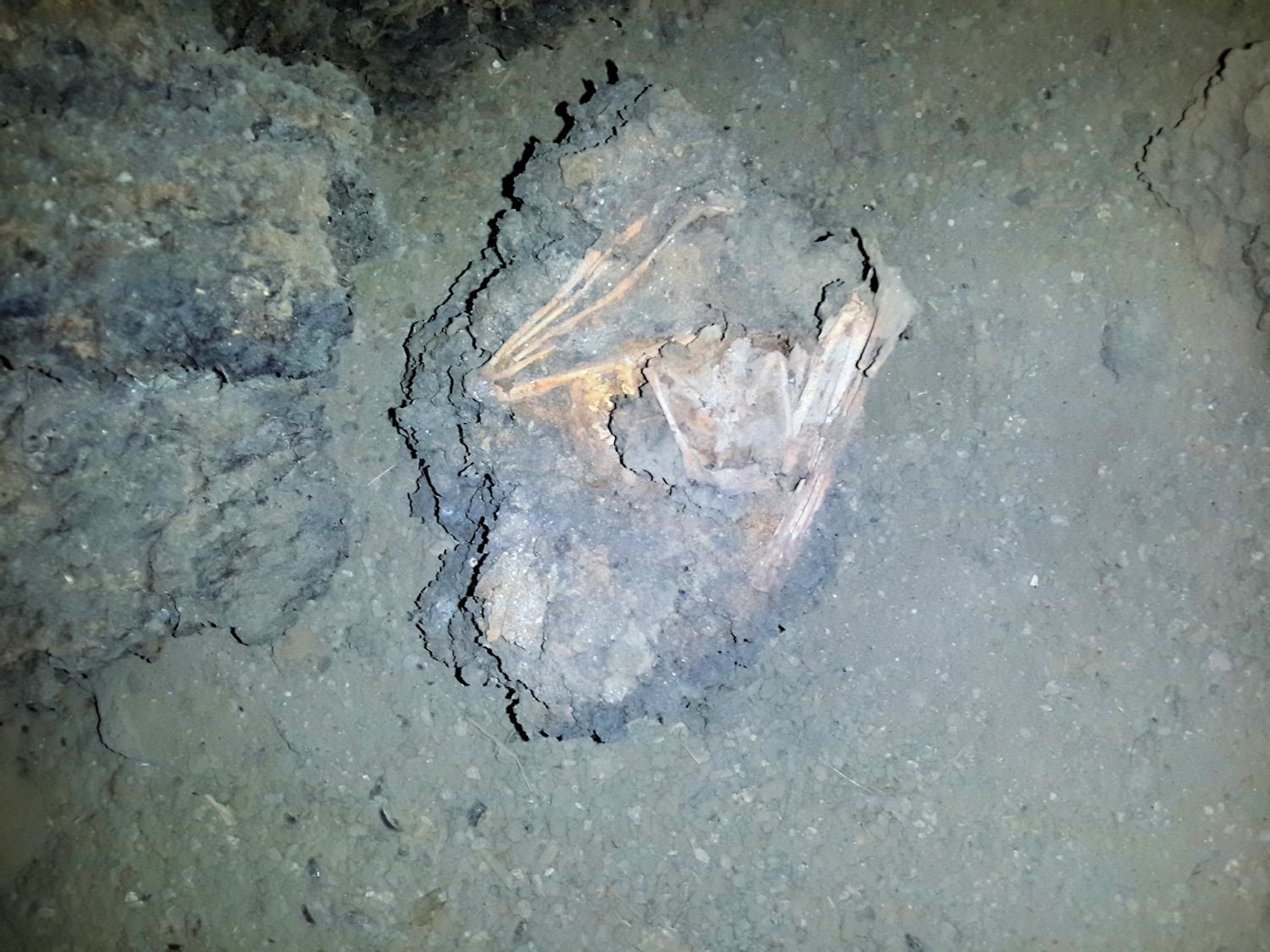
Sceleton of a bat

Bats' sceletons mixed with their feces on the ground

Sceleton of a bat on the ceiling


Our long way out from the cave


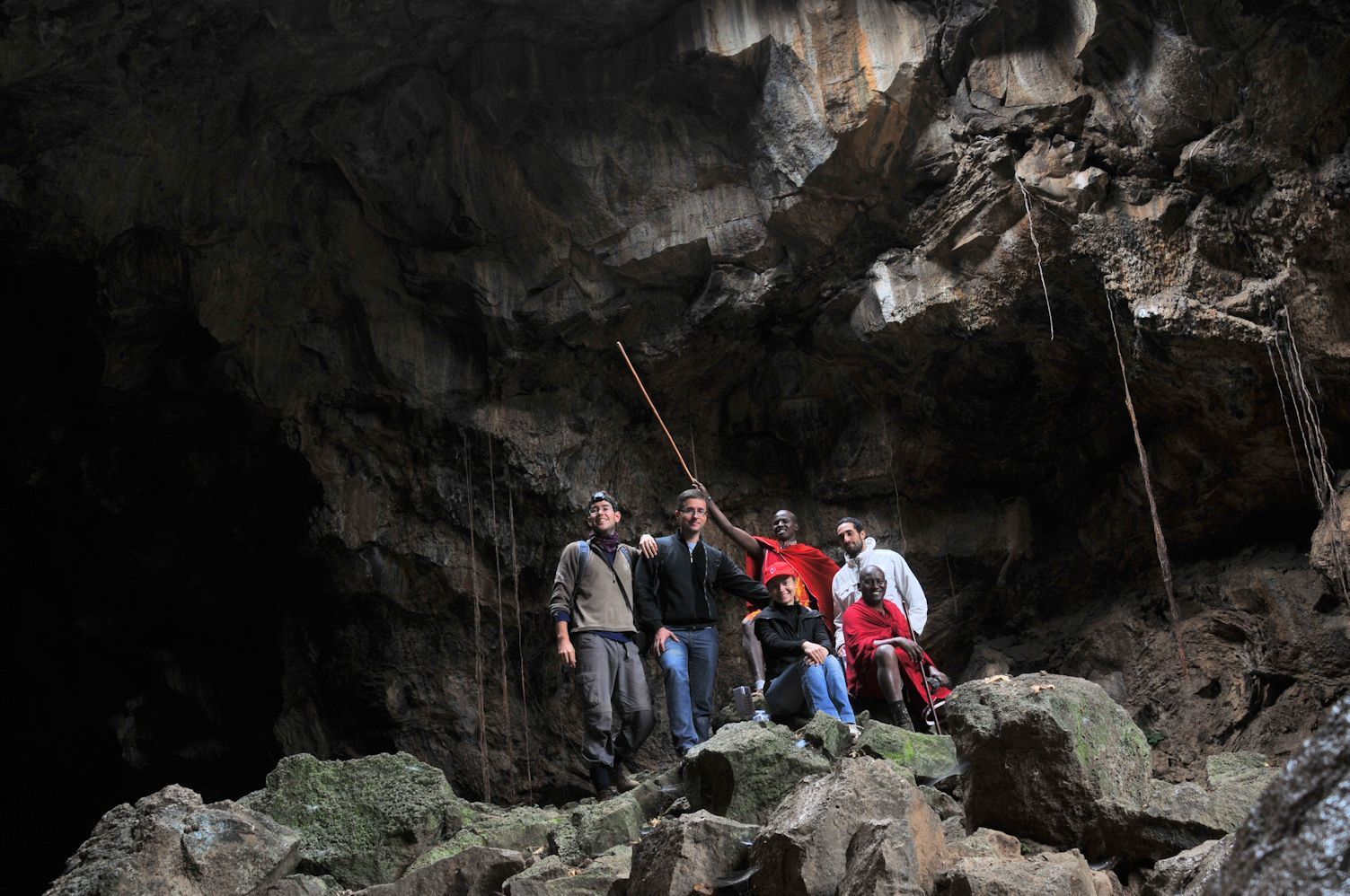
Photo credit: Peter Chonka
Mount Suswa is such a special place – completely remote, untouched, and very beautiful. I recommend everybody visit and enjoy it someday.
For those who decide to cave at Mt. Suswa here are some of my advices:
- make sure you equip yourself with comfortable clothing and sport shoes;
- carry own picnic lunch or enough to share, energy bars and some water would be perfect;
- do not forget to take your camera, binoculars to capture moments and carry memories with you;
- bring spotlight (with many batteries) and helmet for caving (optional) but very useful;
- opt for a backpack (paper bags are hectic to carry around).
- NB! It is strongly not advised to explore the caves alone (as there are several drop offs), and children must not be unaccompanied.
/http%3A%2F%2Fichef.bbci.co.uk%2Fimages%2Fic%2F368x207%2Flegacy%2Fclip%2Fp00639mr.jpg%3Fnodefault%3Dtrue)
BBC Two - The Great Rift: Africa's Wild Heart, Fire, Baboon parliament
Baboons prefer climbing smooth rock faces in the dark to a night out in the open.
BBC documentary that made Mt. Suswa caves famous
If you decide to go hiking or caving at Mt. Suswa, here are some useful links.
/http%3A%2F%2Fmtsuswaguidedtours.weebly.com%2Fuploads%2F1%2F2%2F4%2F0%2F12401809%2F541268178.JPG%3F175)
Information about Mt Suswa guided tours by guide Reuben
/http%3A%2F%2Fi0.wp.com%2Fdanielmountsuswa.files.wordpress.com%2F2011%2F10%2Fdaniel.jpg%3Ffit%3D440%2C330)
I have lived on the plateau of Mount Suswa my whole life with my large family. My father has six wives, and I have 30 brothers and sisters. I am married to Agnes, and we have three children. I have...
Thank you for reading my blog.
In my next post read about our game drive in Maasai Mara during Migration season.


/image%2F0111014%2F20150426%2Fob_30ed04_overblogimg-3029.jpg)
/image%2F0111014%2F20150426%2Fob_f9fd87_overblogimg-3237.jpg)
/image%2F0111014%2F20150312%2Fob_2b625a_overblogimg-1815.jpg)
/image%2F0111014%2F20150421%2Fob_24f209_overblogimg-2702.jpg)
/image%2F0111014%2F20150302%2Fob_24875e_img-1603.jpg)
/image%2F0111014%2F20150227%2Fob_00db6a_overblogimg-0400.jpg)
 Go to top
comments